
LOS ALAMITOS, Calif. — Each year, as the next graduating class begins to say their goodbyes, their peers must accept the fact that their favorite senior — the one who always gave them guidance or a ride to practice — will become a relic of the past. This sense of community is something that Los Alamitos High School works hard to build; students from all areas of campus can attest that from their own experiences and through the help of LAHS organizations, they have made an indelible impression on one another.
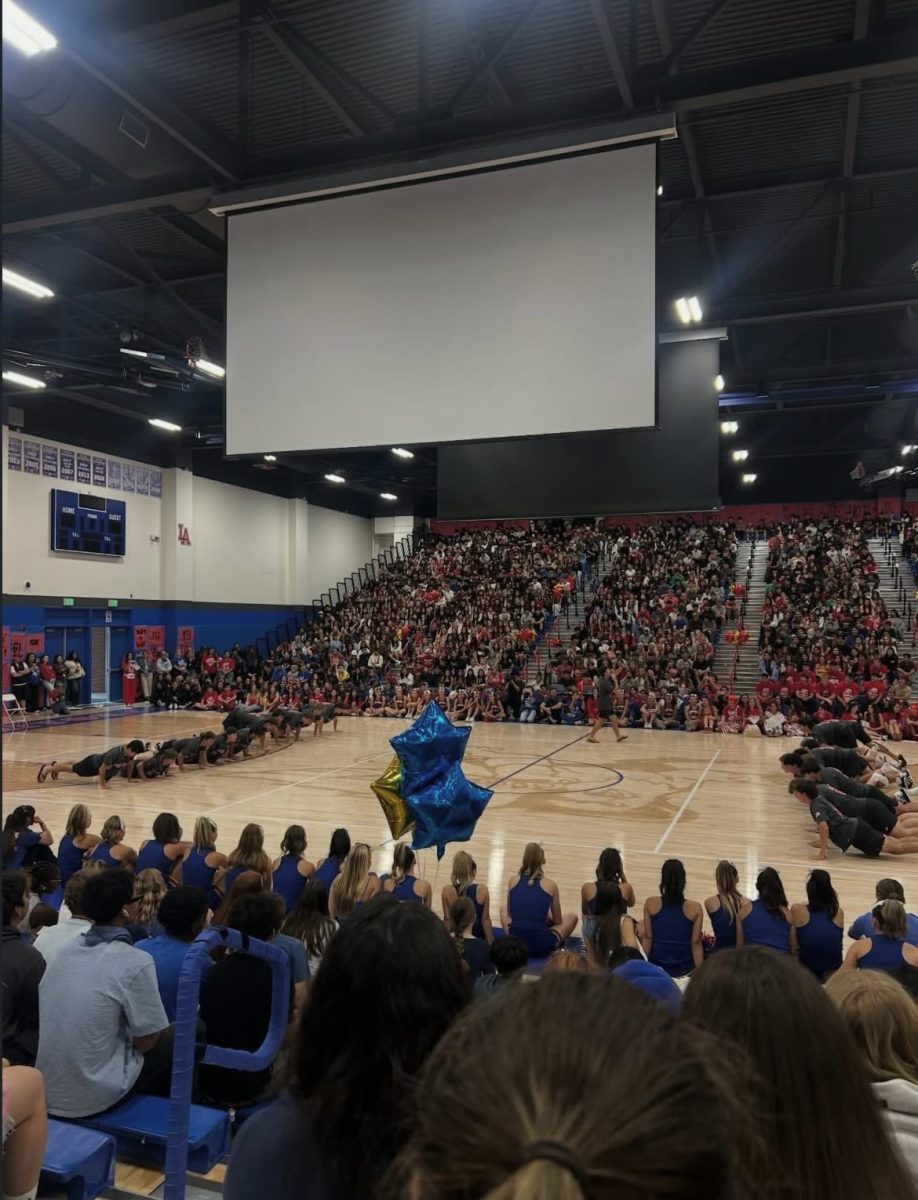
One of the largest on-campus efforts is Link Crew, a mentorship program to guide incoming freshmen by pairing them in groups with upperclassmen. Link Crew provides a preliminary campus tour and bonding activities held within the last few days of summer break to get ready for the new school year. After the orientation, events like tailgating, study sessions and afterschool socials are offered throughout the year to continue fostering connection and community both between junior and senior Link Crew leaders and their freshmen.
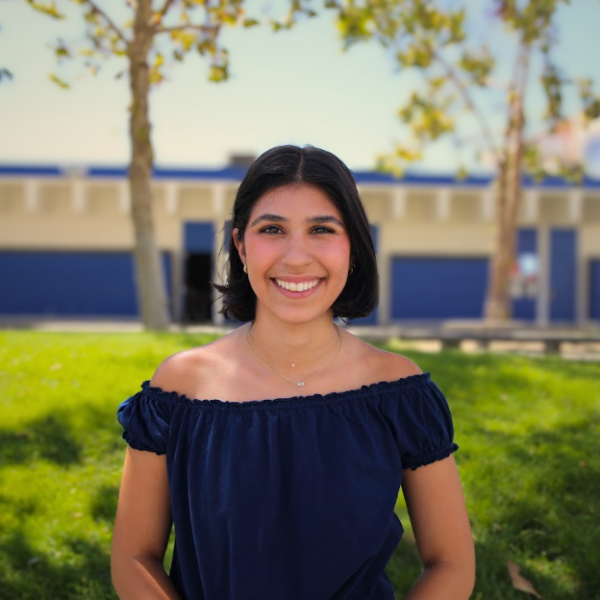
“Freshmen come onto campus with the stereotype that upperclassmen are unapproachable and intimidating,” said Link Crew co-president Bella Shiroma. She, along with the rest of Link Crew, is working to dispel that. Despite a dip in participation as the school year endures, the initial impact is one that sticks, among both freshmen and leaders.
“If freshmen can walk away knowing at least one older peer they can recognize in the hallway, ask a question, or feel reassured by, then Link Crew succeeded,” said Shiroma. These types of connections can be particularly impactful on younger students, providing them with the mentorship and wisdom that their younger peers often lack, while older students are given the gift of a new perspective, experiencing the excitement and curiosity of their earlier years all over again.
Part of what makes this dynamic so unique is how attentive it is; what lies at the root of Link Crew’s mission is connection — the ultimate goal for any community. The same can be said for students participating in physically and mentally demanding, as well as time-consuming, activities such as sports, choir, band and more.
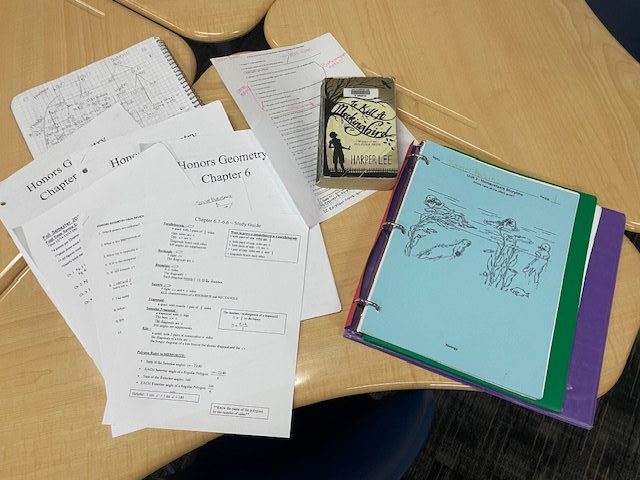
Tina Ov, an 11th grade student athlete, has experienced this kind of influence firsthand. At the beginning of the school year, Ov had packed her schedule with Advanced Placement courses and extracurriculars. Faced with the reality her older peers had warned her of – daring to take AP United States History and AP Biology simultaneously –Ov had to step back and reevaluate her course load. Tina’s plight is one many students have faced and is a product of a community of students’ “trauma bonding” over shared academic struggles. Now, she can extend the lessons learned from this experience.
“I would tell younger students to learn to have a balance…in school, extracurriculars and your social life,” said Ov, explaining how learning this balance early on can help mentally prepare for the long run.
Senior students’ impact on building connections and navigating academic environments is undeniable, but varsity athlete Christian Szymborski can vouch for the way a team environment and the mentorship of senior friends have shaped his high school experience and strengthened his well-being.
For freshman athletes, the pressure of maintaining a legacy, punctuated by league finals and a new routine, can feel insurmountable amid all the newness. But rituals like the obligatory freshman buzz for boys swimmers rely on laughter and old-fashioned fun to create community; underclassmen know that their older teammates went through the same experience and get to look forward to partaking in the same event, but with a full head of hair.
“It was one of the times on the swim team that I remember feeling most like I was with a team,” said Szymborski.
In addition to team connections, he recalls feeling reassured by the guidance he received from senior friends in an academic setting, navigating the University of California system application.
“I took a tremendous amount of advice from the seniors ahead of me. And now that I’m a senior, I’m doing the same thing, but in reverse,” said Szymborski. With how often the college application process changes and the impossible challenge of telling a life story in 350 words, there is no better comfort than talking to a friend who has emerged successfully.
The demanding nature of LAHS’s athletics, arts and activities, is undeniable; however, seniors are working to build community and creating a legacy that will long outlive their four years here in the way they’re shaping the status quo. They’re teaching, growing, and most importantly, connecting.
This article was originally published in the Griffin Gazette: Insight magazine in a condensed version. You can read the magazine version here.