
Abilities Awareness Week at Los Alamitos High School

Abilities Awareness Week, held March 9-13, brought students and staff together for on-campus lunchtime activities to promote unity and inclusion of individuals with disabilities. Events throughout the week were organized through the combined efforts of LAHS teachers, Best Buddies Club, Kindness Club and dedicated students whose planning and participation made the events possible.
Each day’s lunchtime event featured activities designed to encourage awareness and school-wide involvement.
On Monday, students participated in different interactive table games that were designed to bring awareness of various types of disabilities.
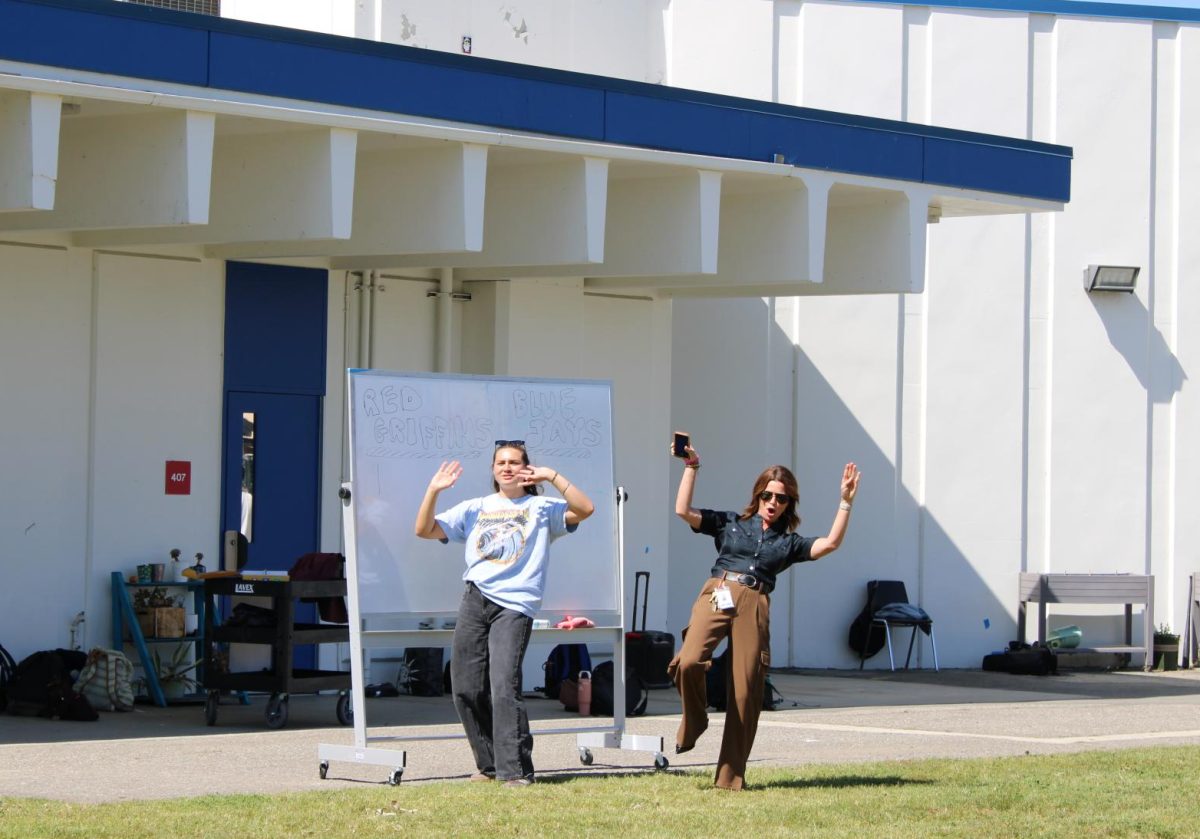
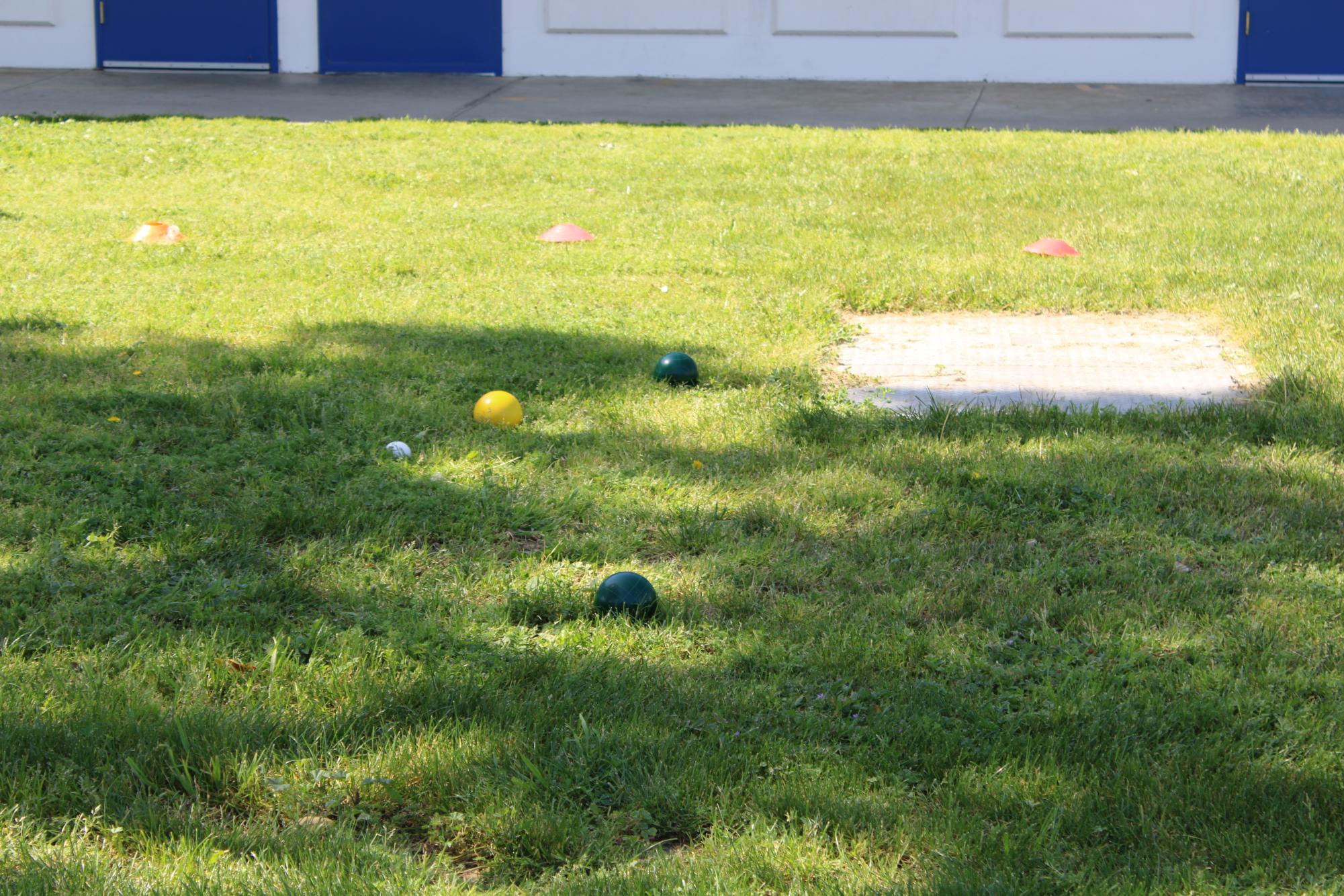
Tuesday’s event invited students to participate in a game of bocce ball. The games continued on Wednesday, this time with student-versus-teacher bocce ball matches.
No event was held on Thursday due to the school’s open house and minimum day schedule.
The week concluded on Friday with the completion of a creative art project and the creation of a Griffin mural; collaborative efforts highlighted inclusion and shared experiences within the school community. Students also celebrated Pi Day, with Best Buddies Club members and their buddies handing out pie together.
“Awareness can go a long way in helping differently abled people,” said Tej Kasindula, Kindness Club’s Director of Outreach.
Through games, collaborative projects and shared experiences, Abilities Awareness Week has fostered a more inclusive school environment while encouraging students to understand and support peers with disabilities.
“The work (from) Best Buddies and other clubs, our teachers and our administrators put into Abilities Awareness Week (and all the other activities throughout the year) is extensive,” said Mrs. Weber, an LAHS teacher and coach who contributed to planning the week’s events. “Their efforts have a lasting impact on our campus and the larger Los Alamitos community.”
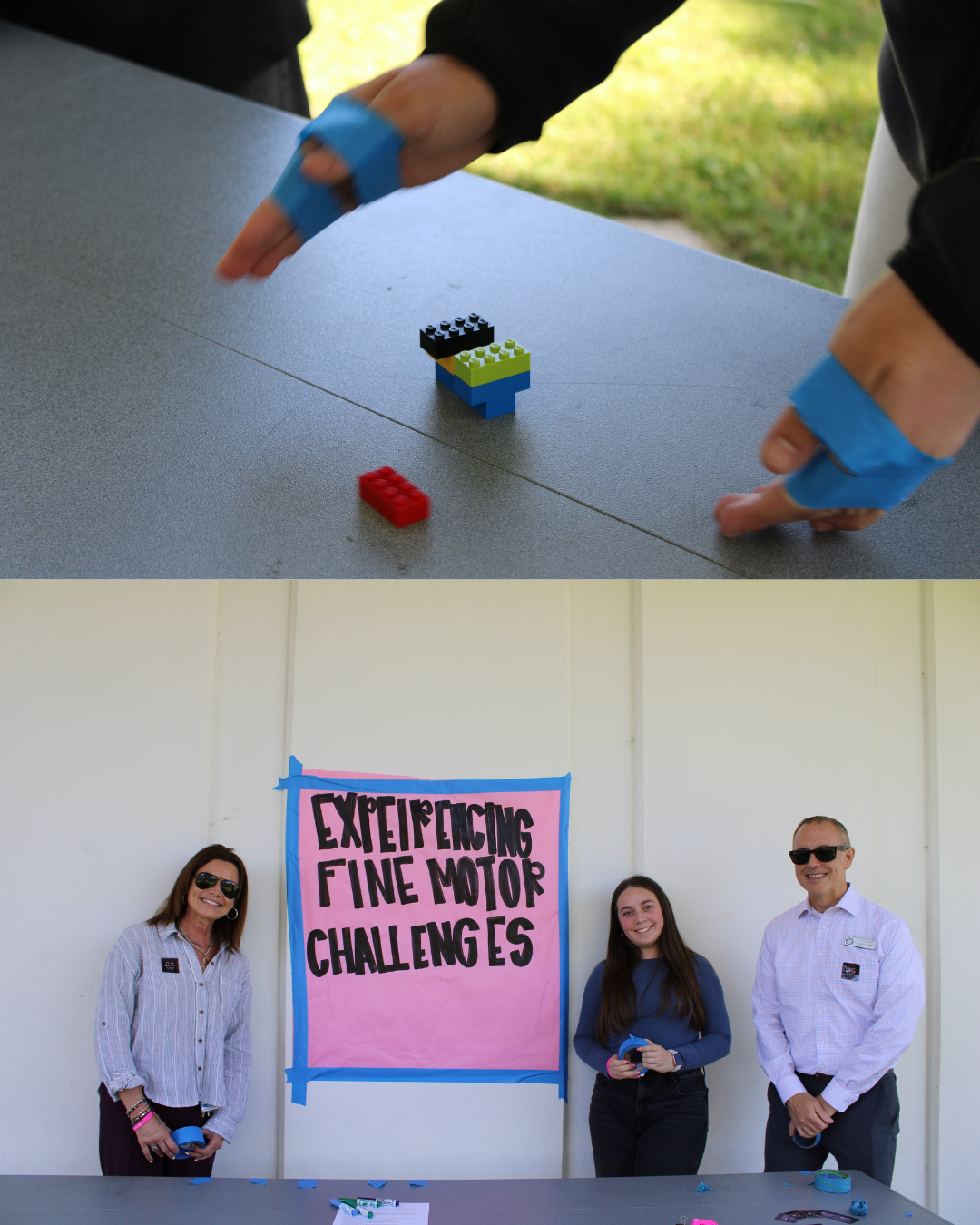
One of the interactive stations from Monday focused on helping students better understand the challenges that some people experience regarding fine motor skills. Participants were asked to tape their hands in different positions before attempting to complete generally simple tasks. The tasks represented activities that many people typically do automatically, such as picking up small objects or writing, which are often taken for granted.
By restricting hands and fingers with tape, students experienced how difficult these routine tasks can become when fine motor control is limited. While the tasks themselves appeared simple, many participants quickly realized how much patience and effort were required when their hand movements were restricted.
“Helping with (this) stand was a really cool experience because I got to see how a fine motor skill-related disability would affect someone in ways that you wouldn’t think about in everyday life,” said Karina Avakian, a LAHS junior who helped run the fine motor challenges experience.
The station encouraged students to reflect on the importance of accessibility, patience and inclusion, reinforcing the overall message of Abilities Awareness Week: to promote understanding and support for students with disabilities within the school community.
“Some people’s independence is going to look a lot different than others, but (we) all have a level of independence,” said Mrs. Vienna, the Assistant Principal of Special Education, Counseling and Technology at LAHS.
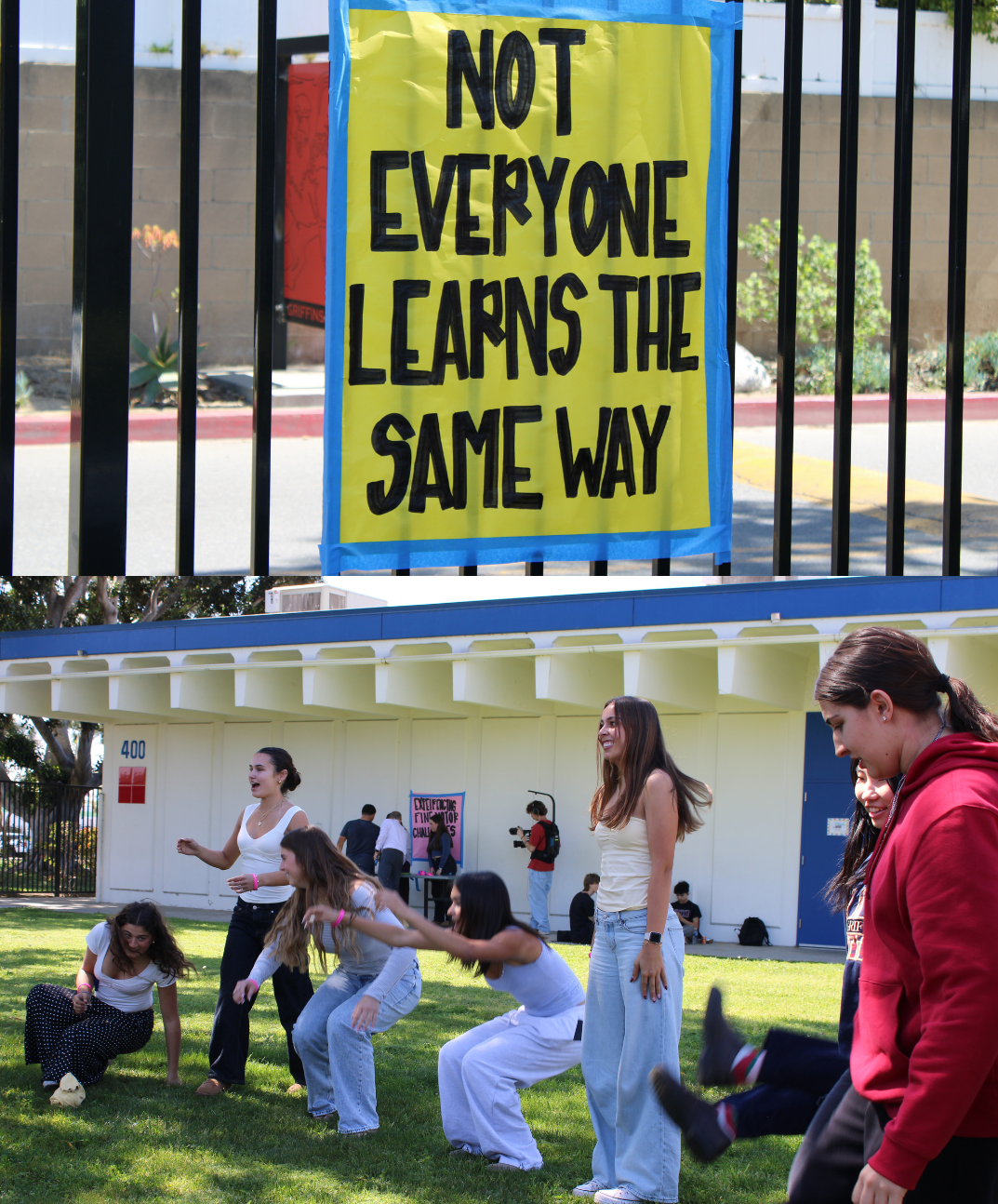
Another station highlighted the idea that not everyone learns or processes information in the same way. In this activity, students listened as a series of four or more auditory commands was called out to them. After hearing the instructions only once, participants had to complete the tasks in the correct order. They were not given reminders, repetition or additional explanations.
The activity was designed to simulate some of the challenges faced by individuals with auditory processing or memory-related learning disabilities. For some people, processing spoken instructions, remembering multiple steps and acting on them simultaneously can be overwhelming.
By participating in this exercise, students gained a better understanding of how learning differences can affect the way people receive and process information. The station emphasized the importance of patience, clear communication and supportive environments that recognize different learning needs.
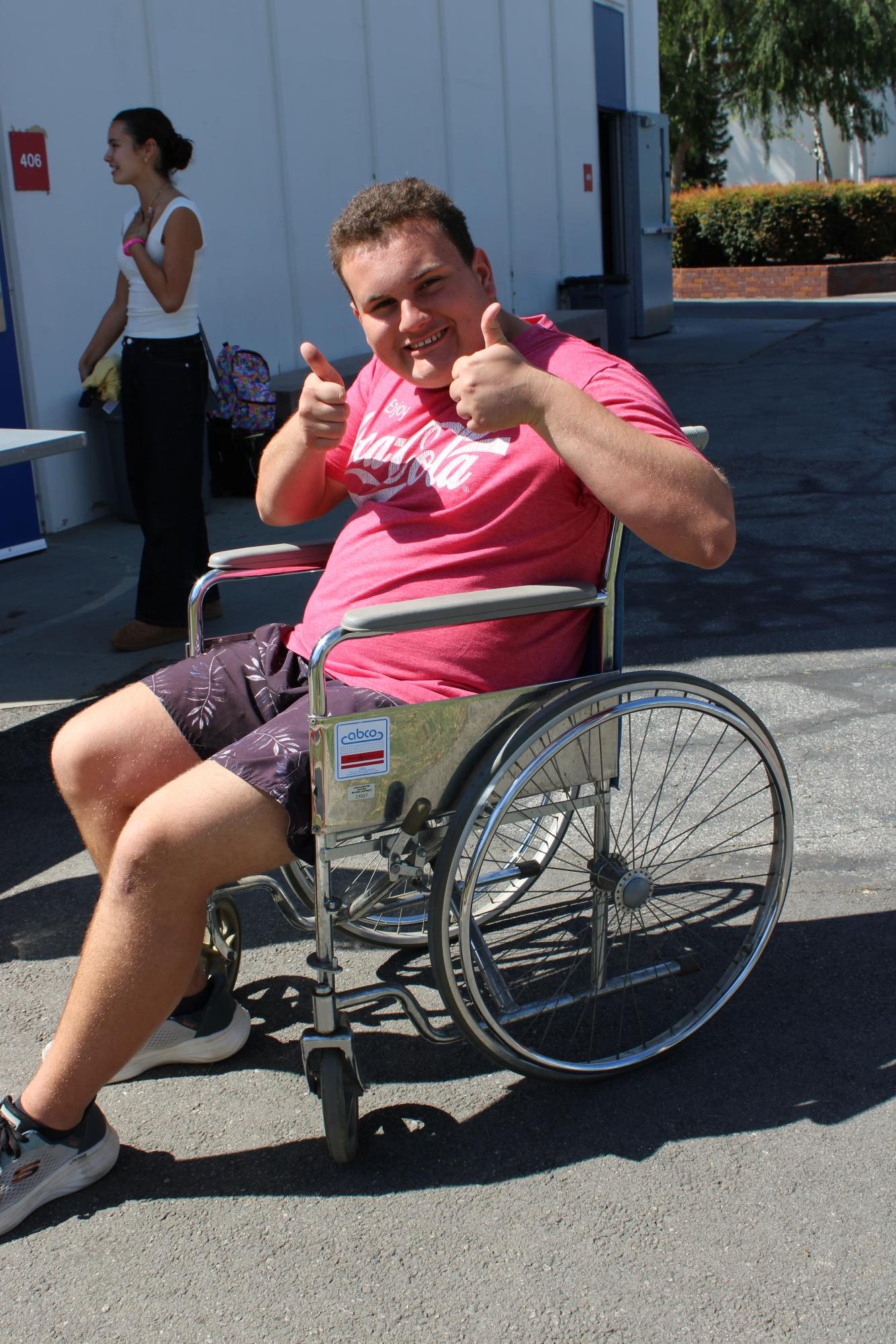
At the wheelchair etiquette activity, students had the opportunity to sit in wheelchairs and learn how to operate them. Participants practiced maneuvering through a small obstacle course designed to simulate common barriers someone using a wheelchair might encounter in everyday environments.
Students discovered that tasks that may seem simple when walking, such as moving through crowded areas or adjusting direction quickly, became more challenging while using a wheelchair.
“Everyone on earth is different, (and) we have Abilities Awareness Week to teach students (without) disabilities to understand what it feels like to have a disability,” said Barreto.
By experiencing these challenges firsthand, participants gained a deeper appreciation for the importance of accessibility and respect for individuals who rely on mobility aids in their daily lives.
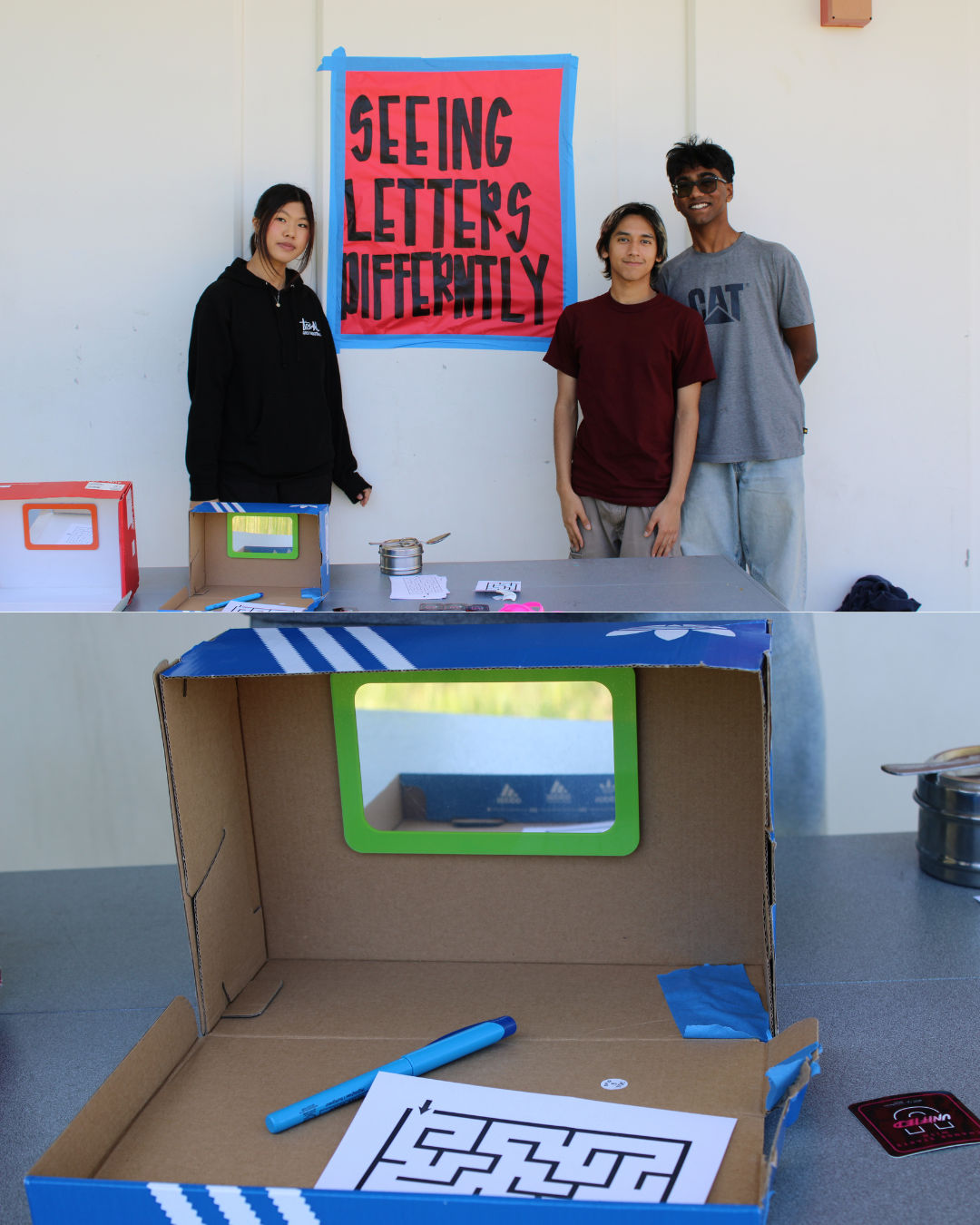
Put together by Kindness Club members, the Seeing Letters Differently station brought attention to how those with learning disorders, such as dyslexia, experience schooling.
In this activity, students used a shoebox that contained a mirror to complete a maze. Instead of looking directly at the paper, participants had to rely on the mirror’s reflection to complete the maze.
Because the image was reversed in the mirror, the maze was difficult to navigate. Students had to slow down and think deliberately about how to navigate their pen.
“The shoebox activity was a way (to) put students into the perspective of (those) with dyslexia. We really wanted to highlight such people and how hard it can be for them,” said Adrian Lopez, LAHS junior and president of Kindness Club.
The activity was designed to help students better understand how reading and processing letters can feel different for individuals with dyslexia. While the mirror does not perfectly represent the experience of dyslexia, it provides a hands-on way for students to recognize how frustrating and challenging reading or writing can become when letters and directions are difficult to interpret. Like the others, this station encouraged greater empathy and awareness of different learning experiences.
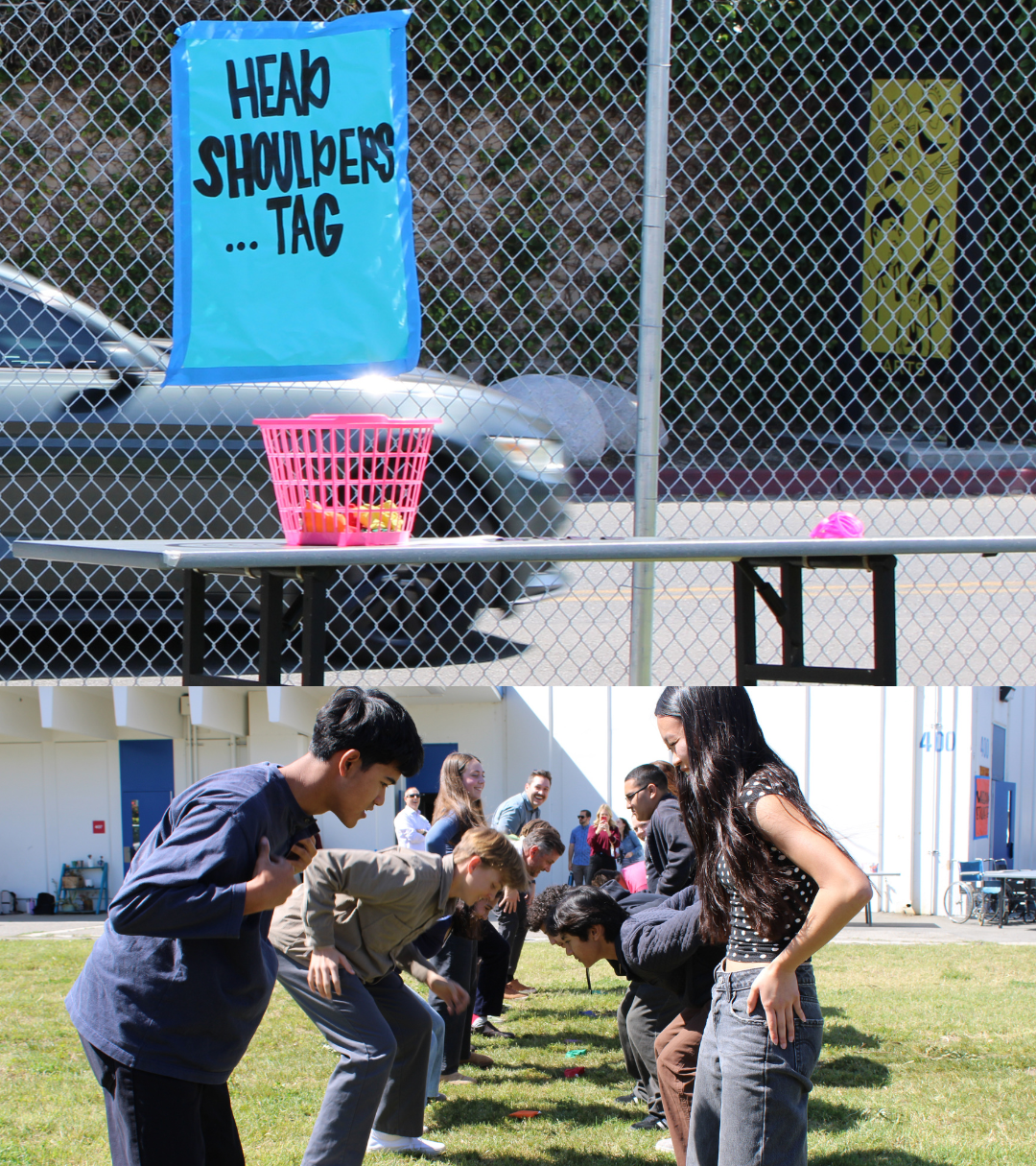
The head shoulders tag challenged students’ listening and reaction skills. In this activity, students lined up in pairs while a caller shouted out a series of commands such as “head,” “shoulders,” “knees,” “calves” or “neck.” Participants had to quickly touch the body part that was called out while staying focused and ready for the final command.
At any moment, the caller could shout “bag,” signaling students to grab the bag placed between them before their partner did. The game required students to listen carefully, process the instructions quickly and react at the right moment.
While the activity was fast-paced and competitive, it also helped demonstrate how important auditory processing can be in everyday situations. Students had to concentrate on the instructions being called out and respond accurately, which can be challenging when directions are given quickly. The game provided a fun way for students to reflect on how people may experience auditory information differently.
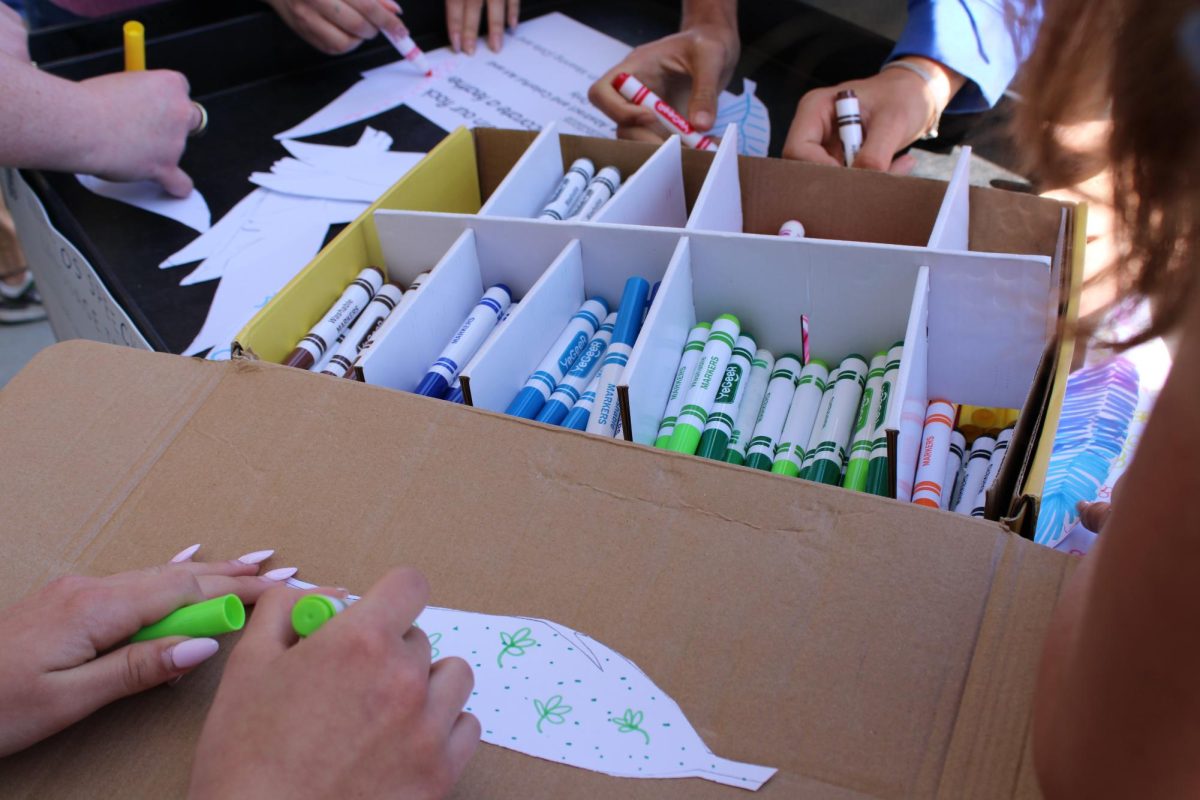
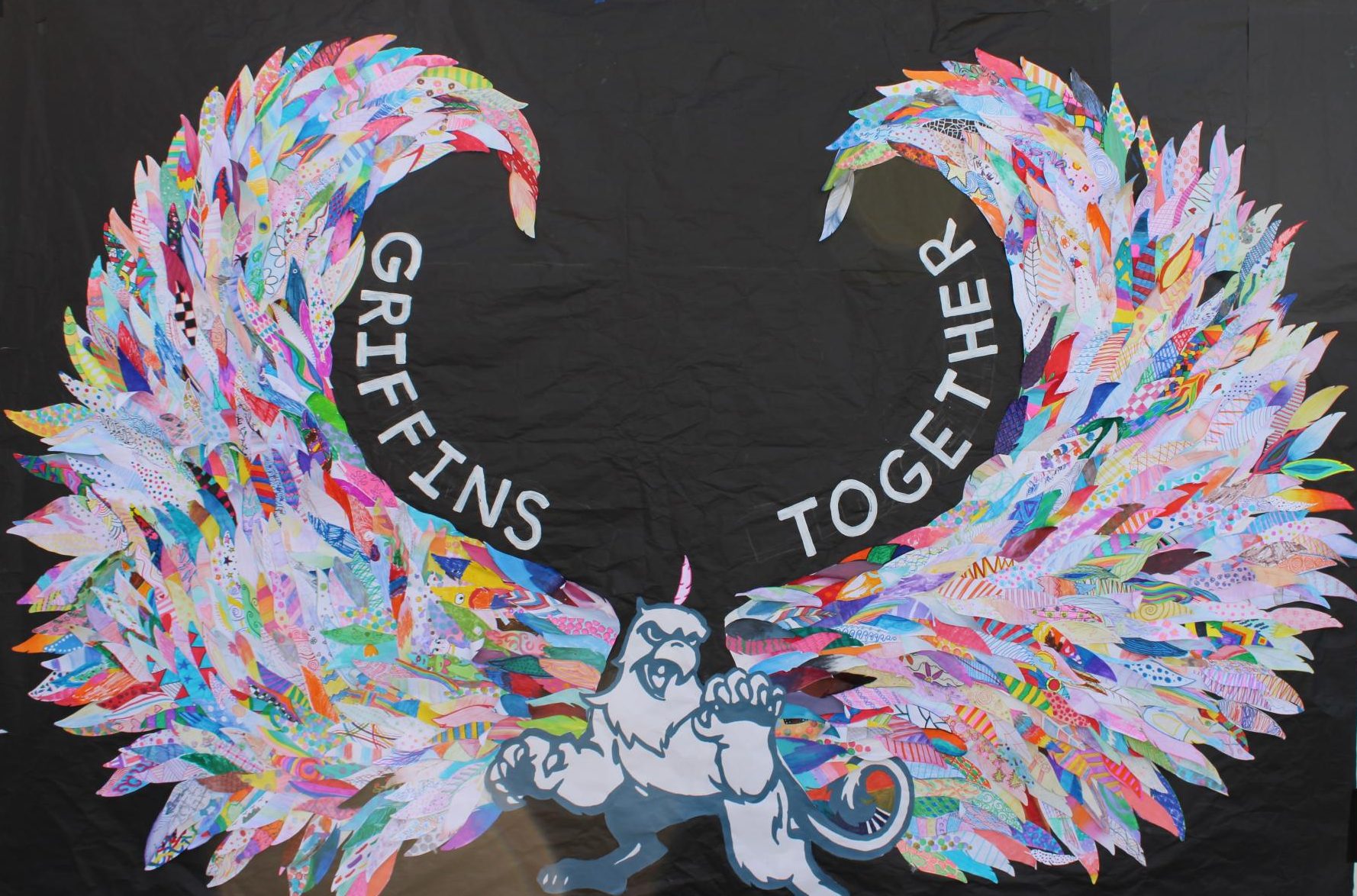
Another highlight of Abilities Awareness Week was the feather project, which encouraged students across campus to contribute to a collaborative piece of art celebrating inclusion and diversity.
Throughout the week, hundreds of paper feathers were made available for students to color and design in their own unique ways. Each feather reflected a student’s creativity and individuality, and together they were assembled into a large griffin mural displayed on campus.
“The variety in the feathers really represents diversity (at LAHS),” said Seth Thao, a LAHS junior.
The project was organized with the goal of bringing the school community together while emphasizing that every student’s voice matters.
“It is a privilege to have an opportunity to bring people together with a common goal of celebrating our school community. Each feather representing a unique student’s voice, come together to build our collective Griffin wings,” said Mrs. Crutchfield, a LAHS art teacher who helped create the poster.
By Friday, the completed mural featured hundreds of colorful feathers, symbolizing the many different individuals who make up the school community. Throughout the day, students gathered around the finished griffin to take photos, celebrating the shared message of belonging and unity.
“We all belong, and that giant Griffin with the beautiful wings will serve as a reminder of that joyful sentiment,” said Mrs. Yoshihara-Ha, an LAHS English teacher.
Your donation will support the student journalists of Los Alamitos High School. Your contribution will allow us to purchase equipment and cover our annual website hosting costs.




Aerin • Apr 3, 2026 at 8:54 pm
Thank you for describing the events for Abilities Awareness Week! It is very well written and cohesive, and the visuals add an amazing touch. I’m so glad Los Al was able to host something like this, and I hope it can continue in the future!
Alyssa Mathews • Mar 19, 2026 at 3:12 pm
I love the format and all the images you added, it all works well together in helping guide your article, great job!
Katie Arnoult • Mar 19, 2026 at 8:38 am
There is so much thought and detail in this article! I love how you structured the story and added so many photos. Amazing work, Alizabeth!
Rosalie Ha • Mar 18, 2026 at 5:31 pm
This is amazing!! Thank you so much for recapping the weeks events in such a creative way.