

This article is SATIRE. Quotes, attributions and facts are fictional.
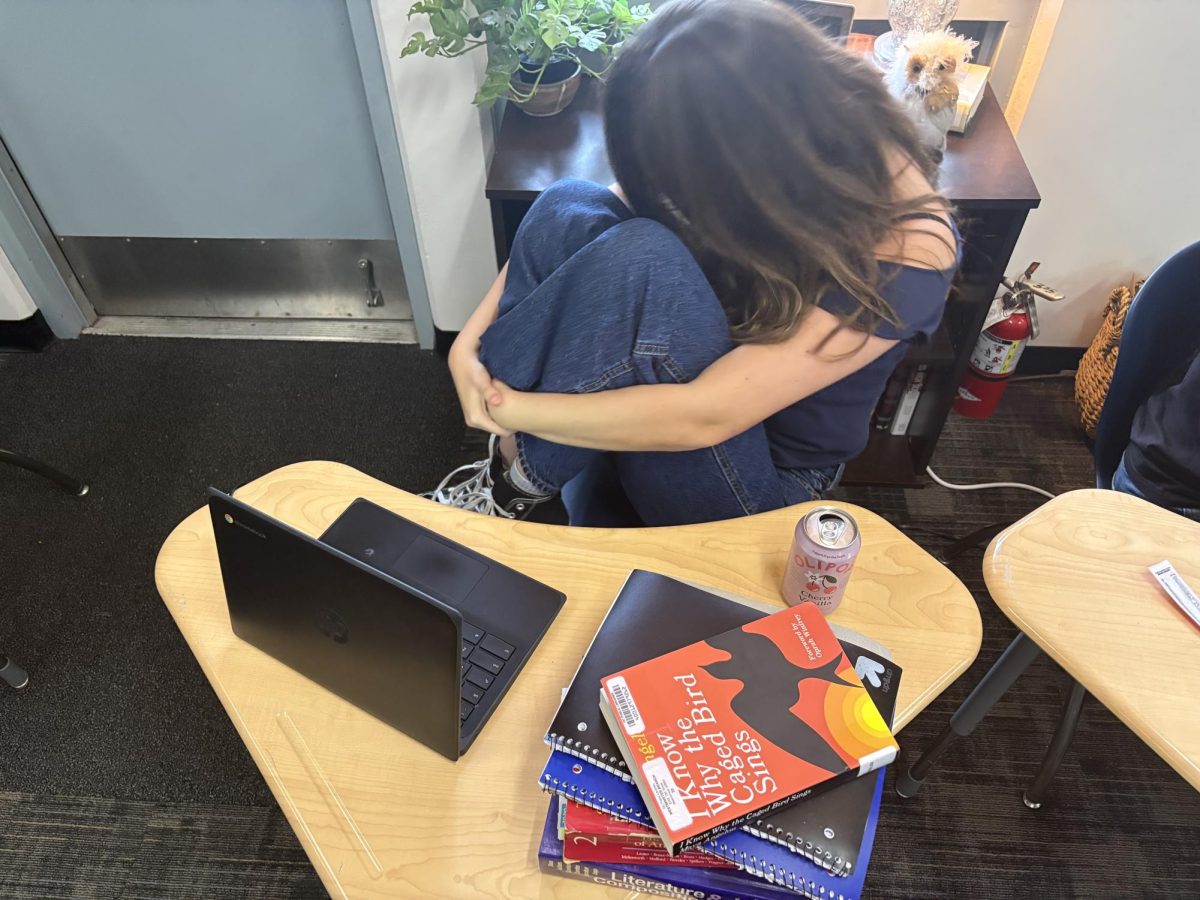
LOS ALAMITOS, Calif. — An eruption of a “sophomore slump” is hitting 10th grade kids especially hard this year. Teens at Los Alamitos High School have begun to compare their struggles to those of 50-year-old men and women in a midlife crisis.
The Sophomore Patrol Group of Therapy and Education (SPGTE) operationally defines the sophomore slump as exhausted 10th graders feeling burnt out from excessive school work, most likely a byproduct of overfilling schedules with Advanced Placement courses. The psychologists say signs of children possessing this illness are regret, low motivation, nostalgia and cravings to be out in nature. Many concerns have arisen since these symptoms may lead to lower grades, absences in school or impulsive behavior.
Motivation is reaching a new low among students; both parents and teachers are worried that the symptoms are getting out of control and that there is no cure. Psychologists believe the only thing that can save them now is summer break.
“We’ve lost many patients to the sophomore slump before, but this time we believe no amount of time away from homework can bring them back this time,” said SPGTE advisor Bill Blythe.
There are reasons to believe the sophomore slump is contagious from events of students being corrupted after being around their friends. Sophomore Holly Anne, for example, claims to have been infected by her friend, who has been constantly complaining about missing out on life.
“I thought she was just a little overwhelmed from testing, but suddenly, I found myself acting just like her. I was soon feeling persistent waves of nostalgia and blacking out during study sessions,” said Anne.
Students have been feeling deep dissatisfaction with life and feel they will never be able to reach the end of high school.
However, there have been rumors that psychologists have recently discovered a way to restore inspiration in students: screen time. There is proof that at least 8 hours a day of screen time, including television, movies and Instagram reels, can bring enthusiasm back into the classroom. The reason for this is that when teens are exposed to social media or television, their dopamine levels increase by nearly 120%.
“Before, I was feeling tired, unmotivated, and full of regret, but after I spent a whole 24 hours on TikTok, I feel fueled and ready to take on my education!” said super senior Chelsey Auburn.
Without knowledge of whether or not this crisis is contagious and will continue to spread, there may be some hope for sophomore students to find comfort inside their phones.