

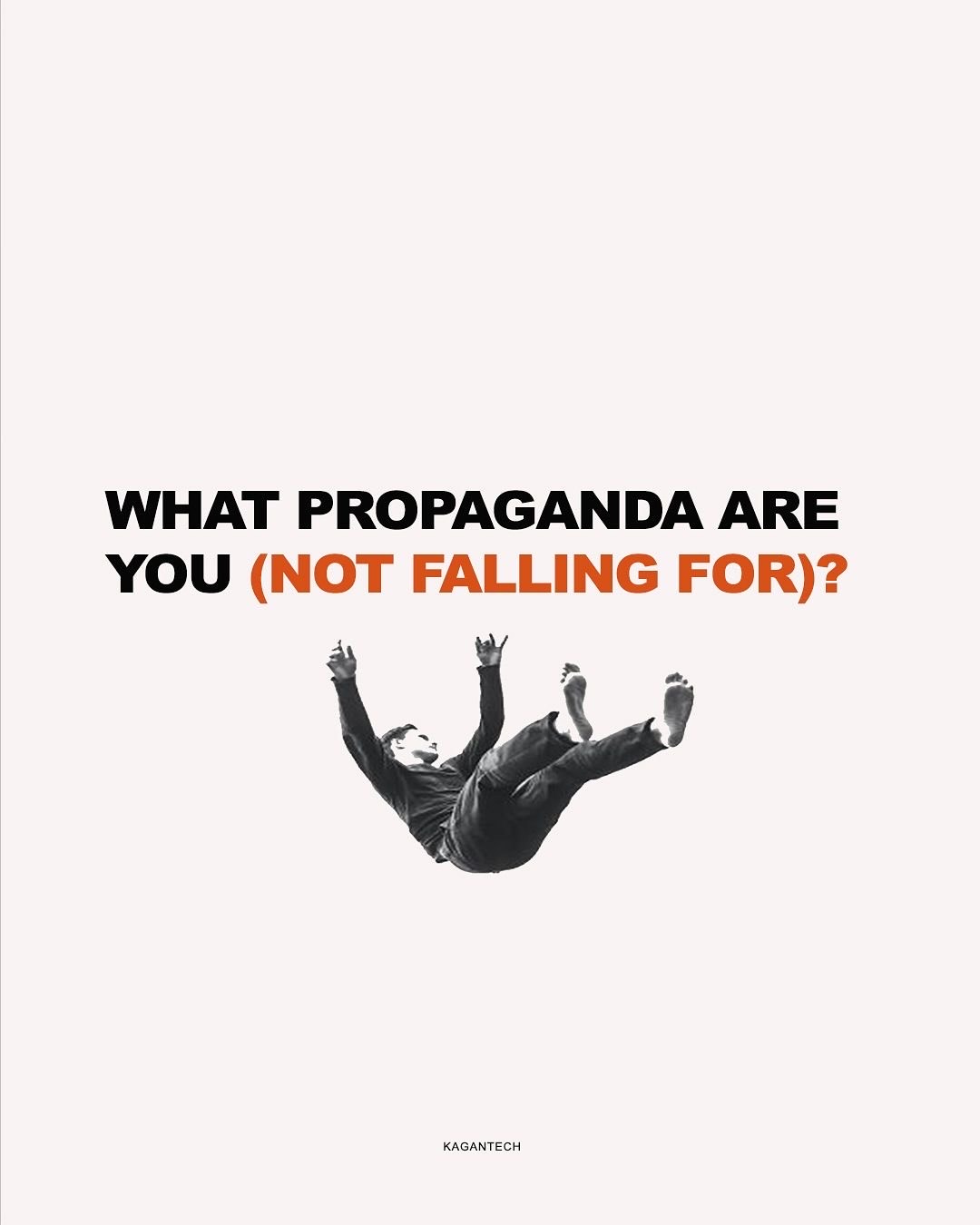
LOS ALAMITOS, Calif. — Most teenagers who are chronically online have been a victim of falling for trends, or, as some call it, “falling for (blank) propaganda.” The true definition of propaganda, when compared with the media’s definition, raises the question: “Has social media completely taken away the meaning behind propaganda?”
Propaganda TikTok trend:
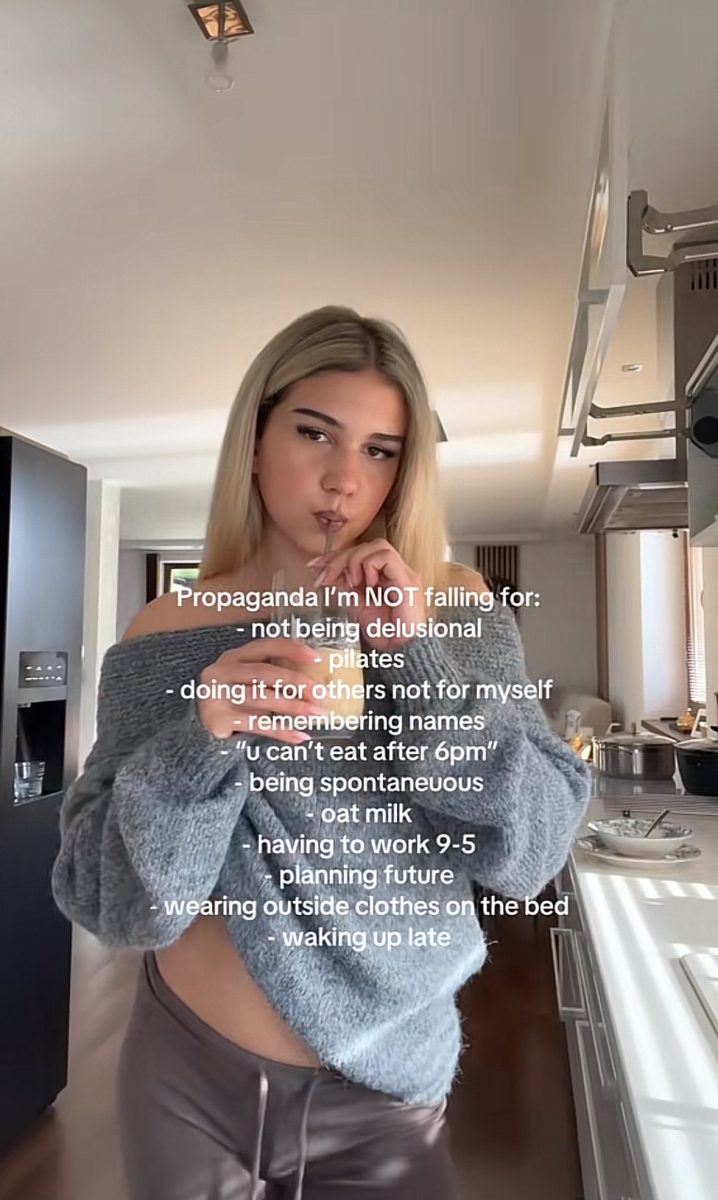
TikTok creators have come up with a new definition of propaganda. Users began posting lip-syncing videos that list popular or controversial takes on trending topics and label them as propaganda.
The unpredictable lists can range from serious topics like politics and societal concerns to fashion trends and the “clean girl aesthetic.” Many teenagers say the trend became popular because it shows how predictable their interests have become and how easily the internet influences them.
“I feel like trends like this either make people feel connected or judged,” Los Alamitos High School freshman Prisilla Felicie-Lee said. “It’s more pressure on people to be not unique and not who they really are.”
Comparing “falling for” vs. “not falling for”:
The trend quickly gained attention, with over 316K TikTok videos under the general propaganda theme. With most users hopping on the bandwagon, they eventually added a spin to the trend and posted the opposite view, labeling it “propaganda I am falling for.”
Rather than posting their likes, the internet started listing trends they refuse to fall into–such as unrealistic beauty standards, things that shouldn’t be romanticized and items that are glorified on social media.
“I’ve only seen the TikTok trend–so I’m not sure what the word propaganda actually means,” said Felicie-Lee.
Official definition of ‘propaganda’:
The term “propaganda” refers to misleading or biased information used to persuade the public, typically in wartime or political contexts. Propaganda was a tactic of spreading individual ideas to a group in a manipulative manner to fulfill a motive.
Historical context:
The term originated in 1622, when Pope Gregory XV, to spread Catholicism, created the Congregation for the Propagation of the Faith. Propaganda became common in the United States, particularly during World War 1 (1914-1918). The government portrayed the enemy as a vilifying threat and painted our land as a victim.
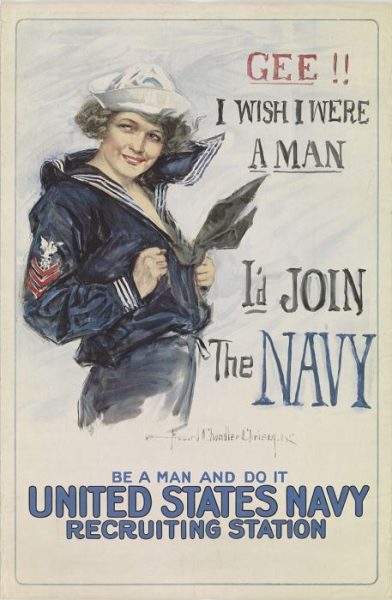
During WW1, posters and prints took over the nation, as the American government produced more than 20 million copies of poster designs.
By creating films, magazines, pamphlets and posters to illustrate the opposing side, the aim was to gain public support during the war and persuade men to enlist. Images featured national symbols to encourage financial support, recruit men and promote sacrifice.
Conclusion:
The rise of TikTok’s “propaganda I’m falling/not falling for” trend demonstrates how our generation has reshaped the meaning of propaganda. The complex concept has become a light-hearted word used to describe personal preferences online and to make viral jokes. Trends like this one demonstrate how heavily social media influences our knowledge and how it can completely strip the meaning from something serious.







Katie Arnoult • Dec 12, 2025 at 9:19 am
I love this! I feel like your article is written with a lot of clarity, which helps us understand the issue from all sides