

LOS ALAMITOS, Calif 一 The Instagram battle between @progressively.petty and @dont.poke.the.elephant rages. In epic bursts of anger, the two shoot comment after comment, firing after every new insult thrown. While these two perfectly punny handles are fabricated, the sentiment is not. Previously a place of conversation and connection, for the past year, social media platforms such as Instagram, TikTok, Facebook and X have become war zones of heated arguments between angry commenters一the cause of it: “the algorithm.”
Social media algorithms are defined as a process of deciding which posts get viewed by consumers by analyzing individual likes and dislikes, working to prioritize content that uses will interact with.“The algorithm” seems perfect一handpicking media perfected to your unique likes and dislikes. But in reality, it’s isolating users to one side of the platform, and pushing forward the idea of “selective exposure,” the practice of specifically choosing media sources that align with one’s own beliefs and focusing on a narrow perspective.
For a generation with 51% of its population getting their news from social media, as stated in a World Press Institute report, the impact of the algorithm on teens’ political socialization is concerning. Consumers are often forced into an online “bubble” where their opinions are reinforced by ideologically oriented programming, feeding the fire between an already polarized political landscape.
Algorithms often choose the media with the most likes, views and shares to present to users一but this media tends to be more opinionated, showing teens extremely left-wing or right-wing content which students use as their only source of political information. With media sources sending extreme opinions to the top, moderate influencers and news tends to get pushed back, never reaching Americans.
“We have made it all but impossible for people to gain status for sharing and voicing the moderate views that many of us think our country needs right now,” said Chris Bail, founder of Duke University’s Polarization Lab in a Public Broadcasting Service News hour report.
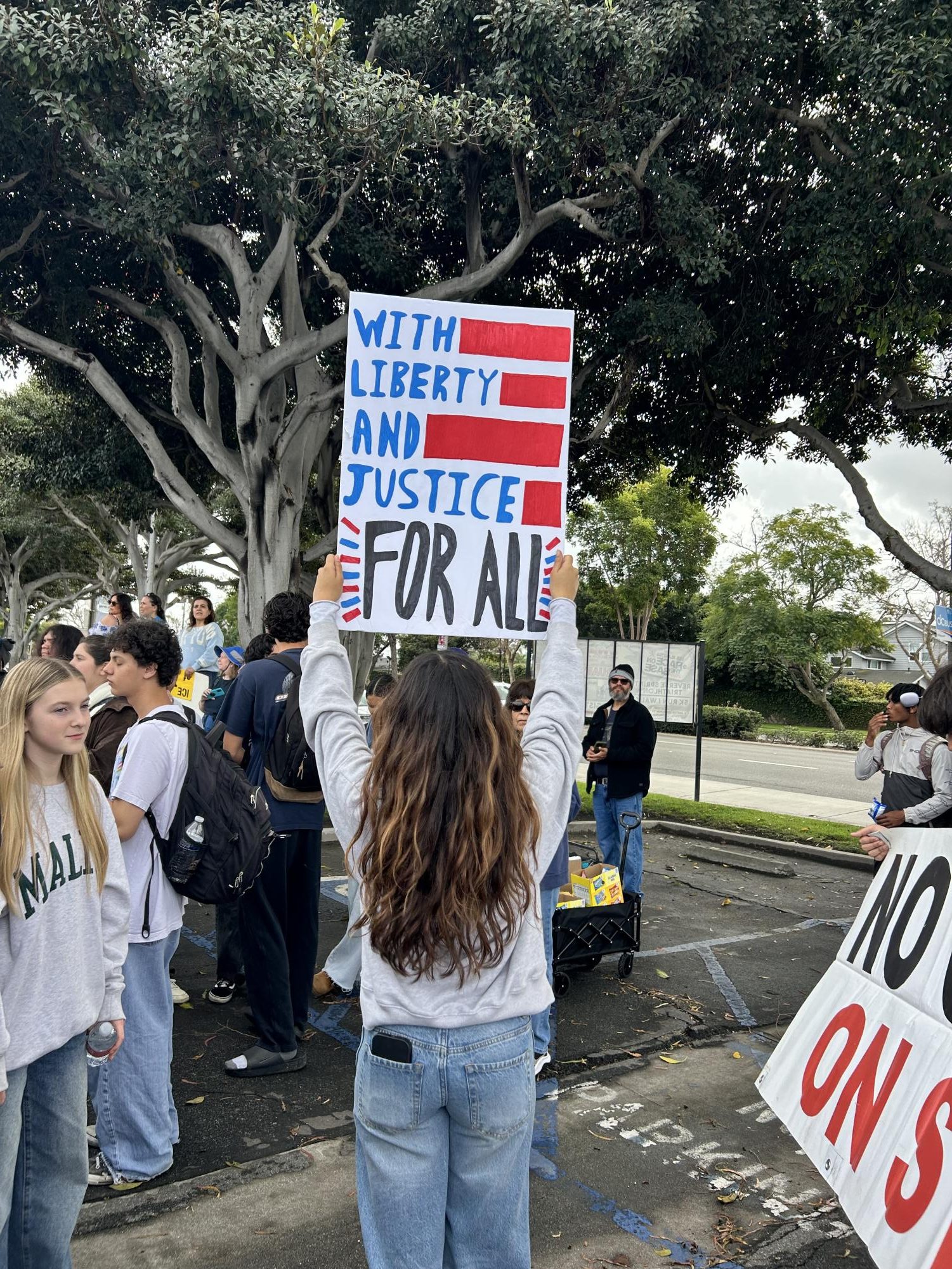
With the extreme divides on social media, the question remains: what does this mean for students and the future of politics?
“I think we’re uncomfortable with the idea that if we talk about politics, it will always lead to debates,” said Duy Dang, LAHS senior and online political activist. “But I’ve had really productive conversations with people from Turning Point U.S.A. and Young Democratic Socialists of America that’ve proven to me that people across the political spectrum aren’t so heavily divided and are truly looking for the same things: a stronger economy to maintain or better their lives (and) a future unfettered by the political turmoils around us.”
Stepping away from the heated social media battles and ever-controlling algorithm seems to be the best solution when it comes to healing the deep divides between Americans. According to Dang, in-person discussions are key.
Underneath all the battles of right vs. left, there’s still a future of peace. When students are able to leave behind the algorithms and excessively extreme opinions of social media, their conversations can save the fractured world of politics and build a better America of discussion and democracy.
“I definitely have so much faith in you guys that you guys can, like, just get it together, and you’re gonna save us,” said Mrs. Hinz-Smith. “I think you guys are smart. You can do it, and are capable (of healing).”
This article was originally published in the Griffin Gazette: Insight magazine in a condensed version. You can read the magazine version here.



Bella L Kim • May 29, 2026 at 12:52 pm
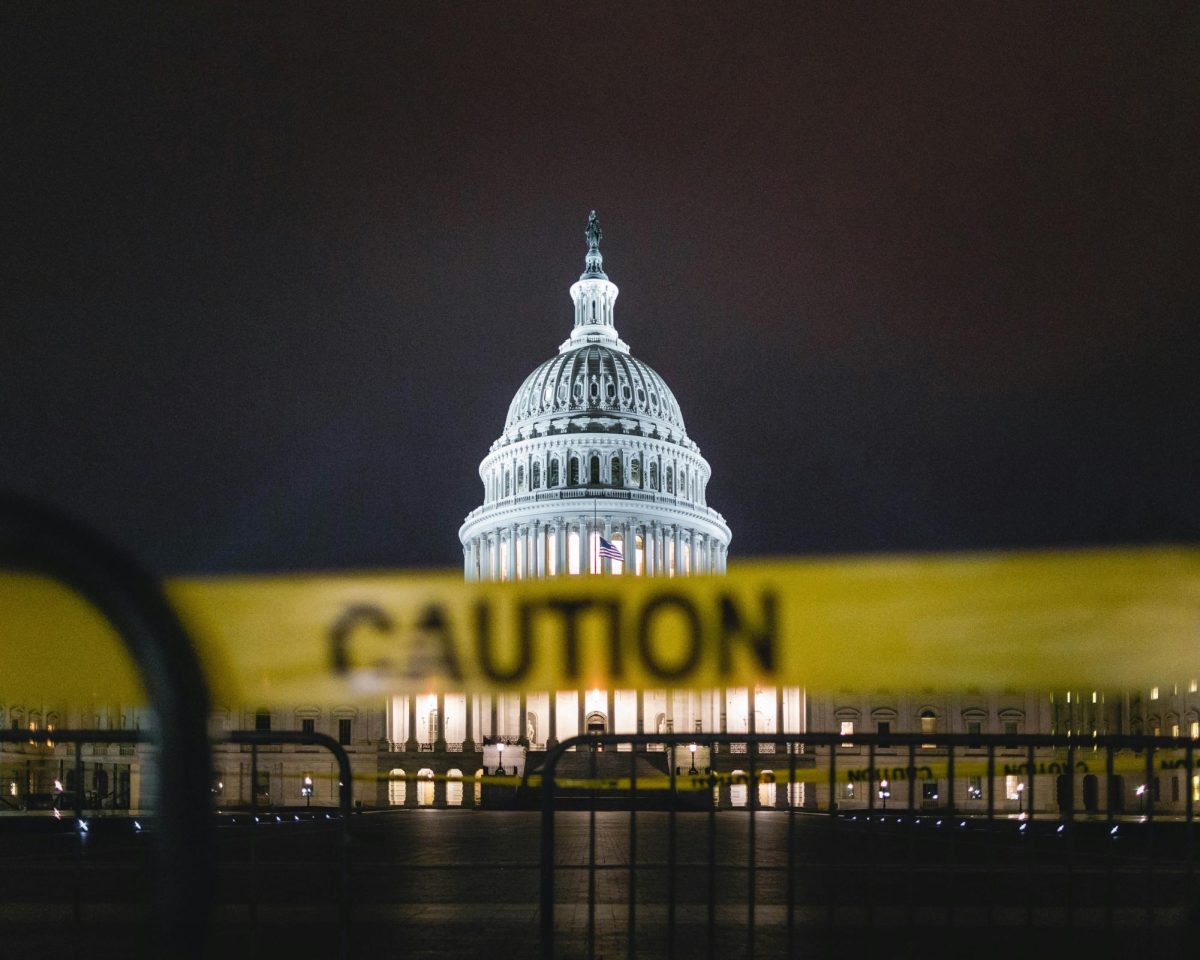
Proud of you for tackling this complex topic, Jaya! Great reporting and cool photo.
Elias Cerrillo • May 26, 2026 at 11:10 am
This article is extremely tone-deaf and completely misses the reason as to why there is such a divide between conservatives and leftists. The issue isn’t about political views. It’s about human rights. An organization a student mentioned, Turning Point USA, was founded by Charlie Kirk- who was famous for his degrading and hurtful views on marginalized communities. He wasn’t hated for being conservative, he was hated because he was a racist who would make his ten year old daughter carry a baby to term even if it was the result of assault. The same can be said for conservatives. Leftists don’t talk to them because they believe immigrants are illegal aliens who are ruining the economy. Leftists don’t talk to them because they’re racist. Even those with more moderate views are complacent in a racist government that is harming Americans. Yes, the algorithm does exacerbate the divide between those on the right and those on the left, but this divide precedes the algorithm. This article doesn’t look at the root of the problem, which is racism.