

LOS ALAMITOS, Calif. — Our everyday hobbies, such as playing an instrument or painting, can be a highlight of why we pursue better education. If you ever wonder how the person in your class with a million extracurricular activities has better grades than you, the answer may be in plain sight.
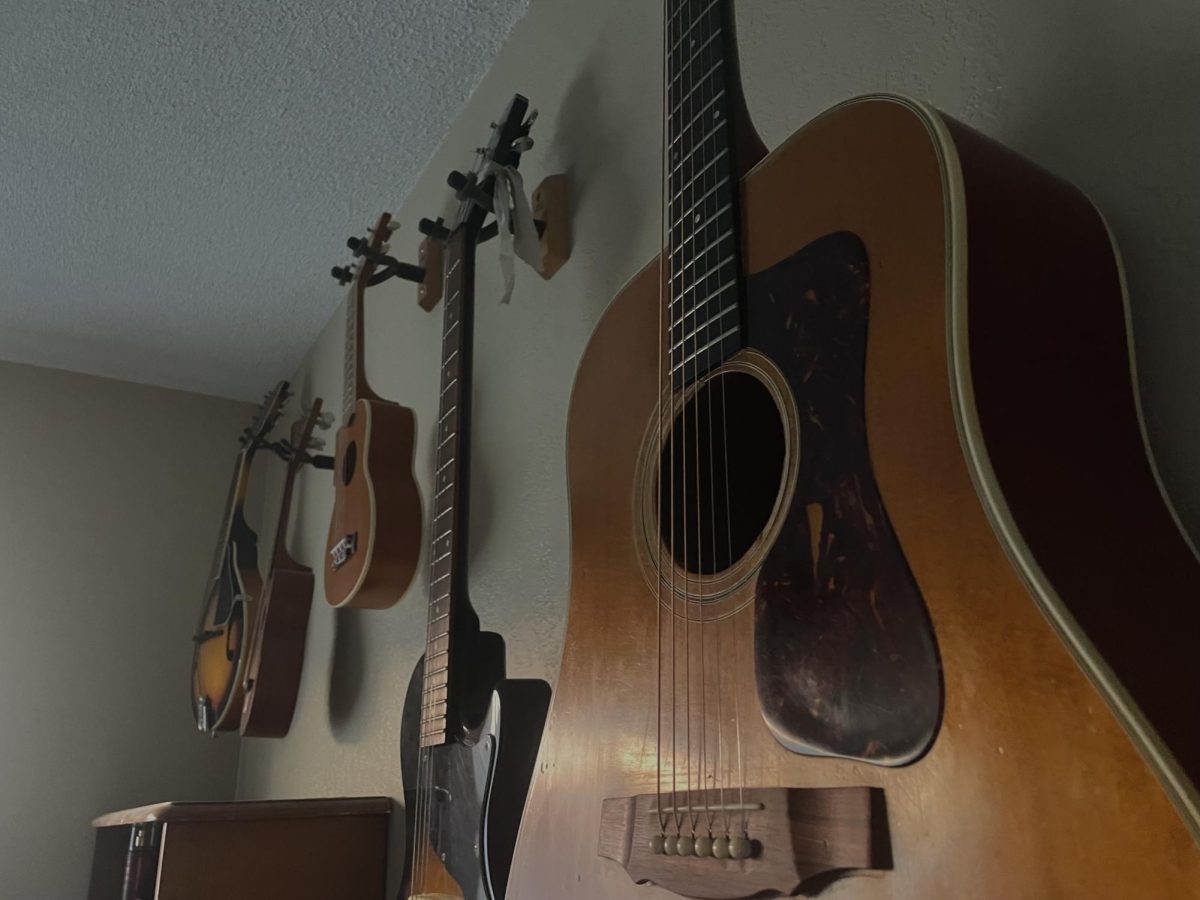
Whether you can perform a classical piece by Beethoven or the keys to “Jingle Bells,” practicing any instrument regularly can play a role in enhancing your critical thinking and memory. Instruments such as the piano require focus and memorization, strengthening students’ cognitive abilities. Prioritizing only a few minutes per day for this hobby will begin to show in classes such as mathematics, science and even composition writing. In addition to school-related skills, playing instruments can also help develop daily life skills such as self-discipline and perseverance. Continually learning how to create music can amplify persistence in future endeavors and career paths.
“(Painting) helps keep me productive, and I always have something to go to if I need to calm or distract myself,” said Los Alamitos High School sophomore Kaylyn Kekacs.
Art skills, including painting, sculpting and drawing, are other important hobbies that can enhance both students’ creativity and academics. Anytime creativity is required to achieve something, our mind is tested and forced to persevere. Creative challenges or opportunities to design can build individual growth and character development. Additionally, integrating imaginative activities into the lives of children fosters better emotional and social progress as they grow.
Building a mindset comprising resilience and confidence is the foundation of success for many of today’s students. It’s possible to build this mindset plainly by using creative writing. Creative writing not only forces students to expand their vocabulary, but it can also enhance literacy and refine an individual’s way of thinking. These traits, if continually practiced, can significantly enhance abilities to read, write and analyze school activities. Students can share their own personal stories about bravery or fears and express their perspective on the world around them. The ability to convey emotions through writing allows students to think critically and take pride in their accomplishments, including academics.
“My hobby is sports photography, and I think it improves my skills by teaching me to stay organized, communicate with other people and try new things,” said LAHS junior Sophie Long.
Along with physical health, sports are another engagement that can contribute to students’ academic performance and lead to a healthier lifestyle. Specifically, playing on an athletic team can help develop teamwork and leadership skills that can be applied to many different elements of life outside of school.
Constant exercise can also improve blood circulation in the brain, leading to changes in cognition, and therefore helping students focus more on their schoolwork. On the other hand, sports can contribute to time management skills when juggling classes, schoolwork and extracurriculars. Time management is a crucial life skill for personal development. This skill also helps organize schedules and work, allowing students to focus on their top priorities.
Almost every student has hobbies that are specialized in their own interests. Hobbies can significantly improve academic success, both by motivating students to pursue something they love and by building life skills that can be applied to their academic work.